
Safe and stable housing inaccessible to those most in need
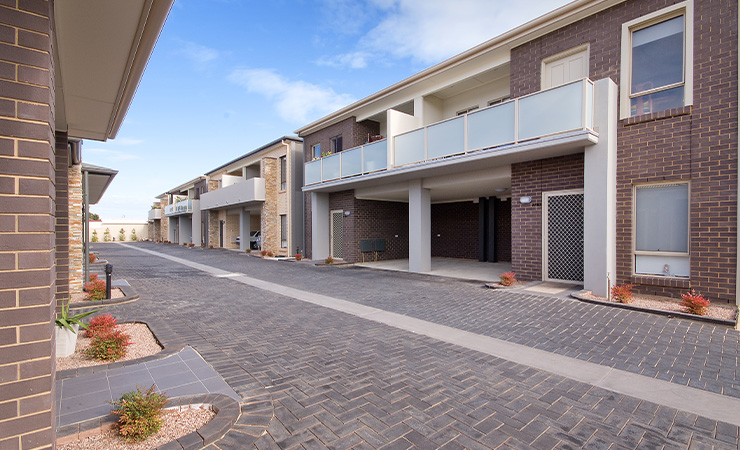
New data released today has revealed that safe and stable housing remains inaccessible to those most in need in South Australia as low-income earners are restricted or locked out of affordable housing rather than being enabled and thriving within one.
Although new construction and affordable housing is critical for the success of South Australia’s economy, Believe Housing Australia is calling on all levels of government and the sector to work together to patch the cracks in the walls of a critical service.
Believe Housing Australia’s 2026 Rental Affordability Snapshot, taken on 14 March, revealed that large groups of individuals and families competed for only 1,990 private dwelling rentals advertised in metropolitan Adelaide and surrounding areas. While this was a modest eight per cent improvement in supply compared to the 2025 Snapshot, South Australians on low incomes continued to face significant challenges, and single people continued to be disproportionately locked out.
Of the 1,990 listed properties, only five homes, or zero per cent of listings, were affordable for households on income support payments, a decrease of 74 per cent year-on-year.
A single person on minimum wage could apply for five homes (1%), a decline of 11 homes compared to 2025. Meanwhile, a single person with two children (one under 5 and one under 10) on minimum wage and Parenting Payments could access 13 homes (1%), representing no meaningful change from the previous year.
As it was in 2025, there were no properties affordable and appropriate for single people on Parenting Payment (with one or two children), Disability Support Pension (with energy supplement and pension supplement), JobSeeker, or Youth Allowance.
Believe Housing Australia, Executive General Manager Housing Services Stacey Northover said that without a safe, secure, and affordable home, South Australians could not hope to thrive.
“The 2026 Rental Affordability Snapshot finds that, in South Australia, even full-time work is often insufficient to secure affordable housing in the private rental market for those on the lowest incomes,” Ms Northover said.
“While building activity and increases in rental supply are positive indicators for the state’s economy, these headline figures can obscure the reality for those at the bottom of the market, where housing affordability continues to worsen and more people are being locked out.”
Addressing the worsening crisis
Coming out of the 2026 Rental Affordability Snapshot, Believe Housing Australia has put forward key recommendation that should be considered to avoid a worsening of the crisis including that income s and income supports to keep pace with the rising cost of housing.
“For people on income support and low wages, the level of income is the single biggest factor shaping access to housing,” Ms Northover said.
“The Snapshot shows that even small increases in rent can eliminate what little access exists to South Australian homes.
“Increasing the adequacy of Commonwealth payments, alongside fair indexation of wages at the lower end of the labour market, is essential. Without this, people will continue to be priced out of even the most modest rental options.”
The Snapshot also recommended state and federal concessions should be targeted to those most in need, while policy settings must respond to a worsening housing crisis.
Rental affordability influences every element of life
Ms Northover said while the Housing Australia Future Fund represented a significant commitment to social and affordable housing, an increased supply of housing would not improve affordability without targeted delivery for low- and very-low-income households.
“Rental affordability influences every element of life – where people can live and work, their access and proximity to services, their health and safety, and whether the children in these families grow up with more opportunities than the previous generation,” she said.
“As one participant of our 2022 Youth Housing Solutions Roundtable noted ‘change happens too slow’ and four years later, faced with persistent zero per cent rental housing availability for this cohort, their words add further weight to the argument for government intervention in a failed market, to improve rental assistance and availability of community housing stock.
“Without significant policy and funding interventions to increase income support payments and the market mix and supply of community housing, safe and stable housing will remain inaccessible to those most in need.
“With the recent landslide election, the South Australian Government has the confidence of the community and a significant opportunity to make bold policy choices that prioritise stability, prevention, and the foundational housing needs of all South Australians.”
You can view the full snapshot here: 2026 Believe Housing Rental Affordability Snapshot


